

Published: January 14, 2023 | Revised: April 10, 2026
Interior design is one of those professions that nearly everyone has an opinion about yet very few truly understand. Ask most people and they will describe it as choosing paint colors, arranging furniture, and scrolling through Pinterest for inspiration. In reality, professional interior design is a discipline that sits at the intersection of architecture, psychology, engineering, and art.
This article aim to breaks down what interior designers actually do generally and also in Pakistan, and why their role is far more consequential than most people realize.
More Than Aesthetics: The Core Responsibility of an Interior Designer
At its foundation, interior design is about creating spaces that are functional, safe, and emotionally resonant. A well-designed room does not simply look beautiful it works. It supports the way people move through it, the tasks they need to perform within it, and the mood it is meant to cultivate.
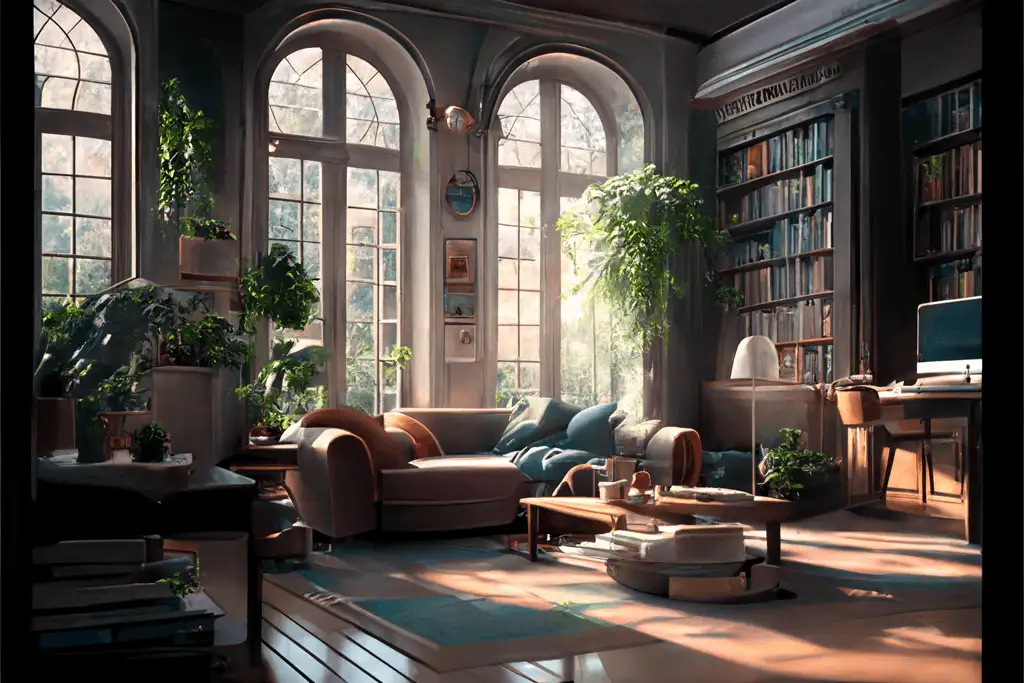
Interior designers are trained to balance these demands simultaneously. They assess a space’s structural constraints, understand their client’s practical and emotional needs, and then engineer an environment that meets both. Every decision from ceiling height to the placement of a light fixture carries weight. This is not a process that can be reliably replicated with a DIY approach, however talented or well-intentioned the homeowner may be.
The Technical Depth Behind Every Design Decision
One of the most underestimated aspects of the profession is its technical rigour. At Primarc Studio, our interior designers work fluently across 2D and 3D computer-aided design software, understand building codes and compliance requirements, and have deep knowledge of materials, textiles, acoustics, and spatial ergonomics.
Sizing, in particular, demands precision. A carpet that overwhelms a room, a sofa that blocks natural light, or a chandelier hung at the wrong height can undermine an entire design. Color palettes must account for how natural and artificial light change throughout the day. Material choices must balance durability, maintenance, and visual harmony. None of this is guesswork it is the product of training, experience, and methodical planning.
A Collaborative Process
Interior designers do not work in isolation. A typical project involves close coordination with architects, structural engineers, contractors, and suppliers. For commercial projects, brand strategists and business owners become key stakeholders in the process as well.
This collaboration is essential. When designing an office, for example, the interior designer must align with the client’s operational requirements, the engineer’s structural constraints, and the architect’s vision for the building all while maintaining a coherent aesthetic. The ability to translate a client’s ideas into a technically executable and visually compelling design is precisely what sets professional interior designers apart.
Designing for Specific Environments
Different environments demand entirely different design approaches. Here is how some of the most common project types are handled:
Hospitality Spaces – Hotels, restaurants, and cafes depend heavily on atmosphere to shape the guest experience. Interior designers must ensure smooth operational flow, intuitive wayfinding, comfortable seating arrangements, efficient service corridors while simultaneously creating an environment that feels distinctive and inviting. The balance between beauty and function is perhaps most acutely felt in hospitality design.
Office and Workspaces – Workplace design directly impacts productivity, wellbeing, and staff retention. Effective office interiors are adequately lit, acoustically considered, ergonomically sound, and organised to minimise distraction. A minimalist, purposeful aesthetic helps employees remain focused, while thoughtfully designed communal areas encourage collaboration. At Primarc Studio, we have developed a specific philosophy around software house and IT firm interiors environments where the demands on concentration and creativity are particularly high.
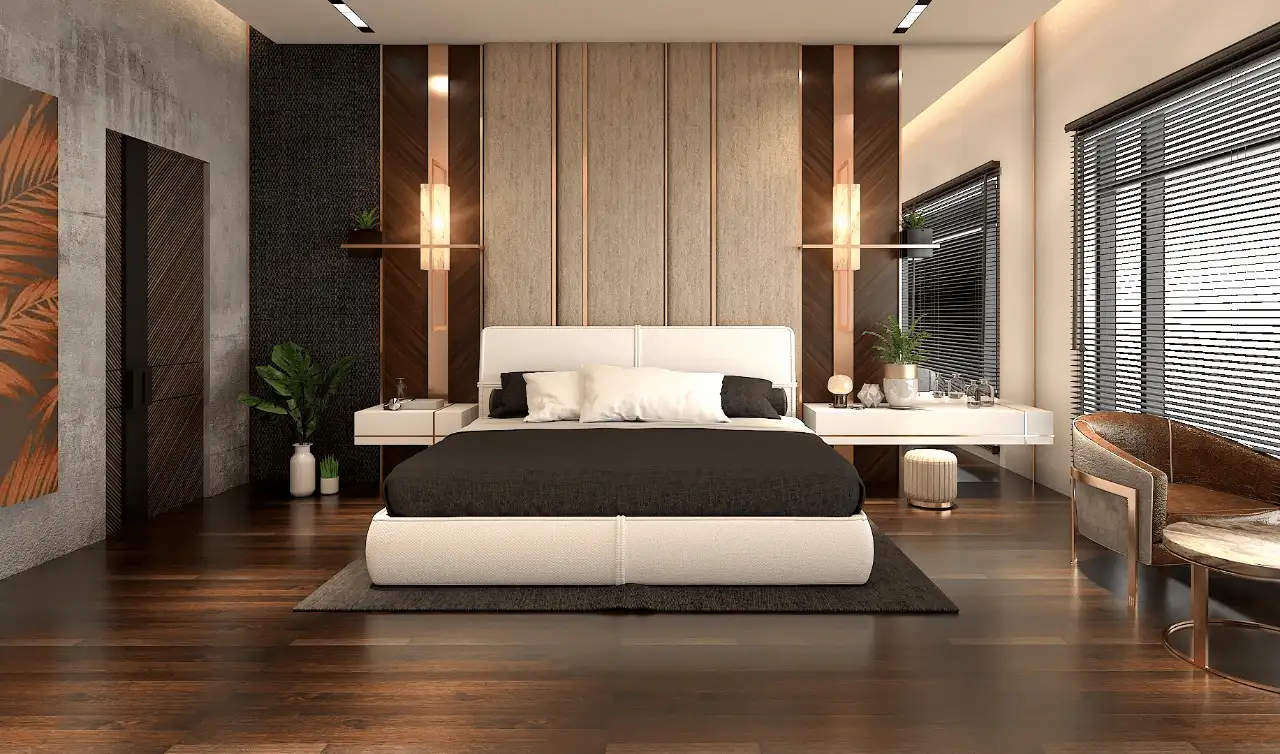
Residential Spaces – Home interiors are deeply personal. Here, the designer’s task is to understand not just what a client wants their home to look like, but how they live in it. Traffic flow, storage needs, family dynamics, and personal taste all shape the design. The result should feel both curated and lived-in a space that reflects its occupants without overwhelming them.
What Interior Designers Actually Manage
To make the scope of the work concrete, the following elements all fall within the remit of a professional interior design project:
- Furniture selection and layout — choosing and positioning pieces that are proportionally appropriate, functional, and stylistically coherent
- Finishes — specifying wall treatments, flooring materials, countertops, and surface finishes that tie a space together
- Lighting design — one of the most impactful and frequently underestimated elements; lighting shapes ambiance, influences mood, and defines how a space is perceived at different times of day
- Ceiling design — often overlooked, but a powerful tool for managing acoustics, scale, and visual interest
- Niches and built-in features — recessed elements that maximize space efficiency and add architectural character
- Window treatments — curtains, blinds, and shading systems that control light, privacy, and thermal comfort
- Accessories and styling — artwork, rugs, plants, and decorative objects that add personality and complete the composition
Each of these decisions must cohere with the others. Interior design is not a collection of independent choices – it is a system.
Sustainability and the Future of Interior Design
Environmental responsibility has become a central concern in contemporary design practice. The industry is moving away from materials and methods that are harmful to the environment, and towards sustainable sourcing, energy-efficient lighting, biophilic design principles, and the integration of natural materials. This is not merely a trend it represents a fundamental shift in how designers think about the lifecycle of the spaces they create.
Looking further ahead, the integration of artificial intelligence into the design process is opening new possibilities: predictive spatial planning, generative design tools, and data-driven approaches to optimizing environments for human wellbeing. These developments make interior design an increasingly exciting professional frontier.
Working With a Professional Interior Designer
The concern that professional interior design is intimidating or inaccessible is one we encounter regularly at Primarc Studio. In practice, the process begins with a conversation understanding your space, your needs, and your vision. From there, our team develops a design that is tailored to your specific circumstances, drawing on technical expertise and creative rigour to deliver results that a purely DIY approach cannot replicate.
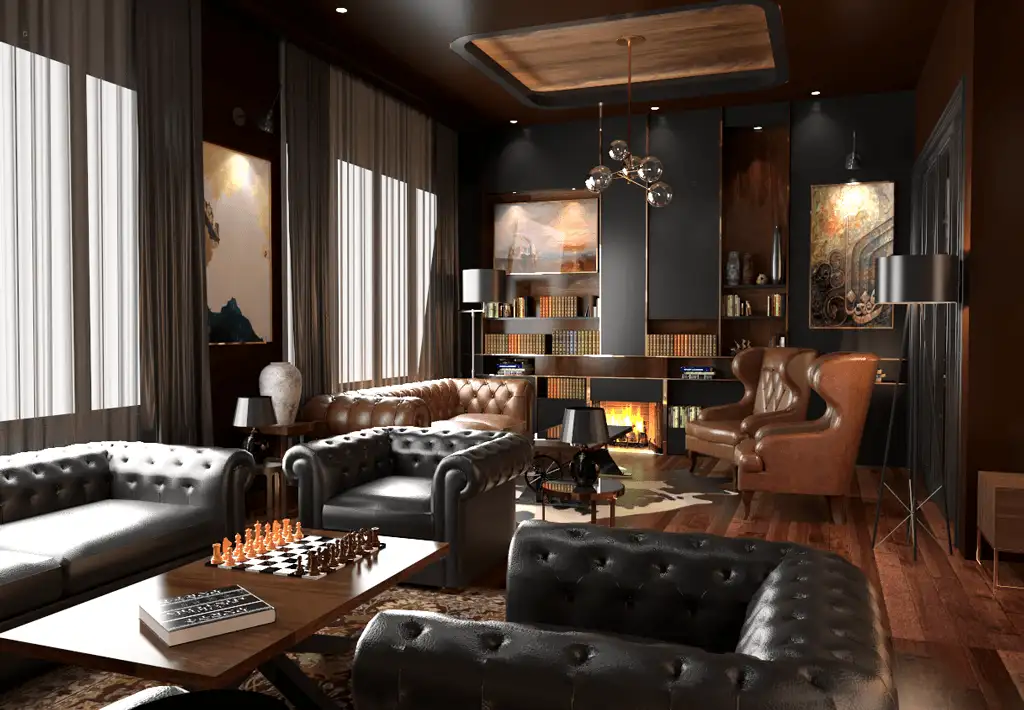
A well-executed interior design project does more than improve the appearance of a space. It enhances day-to-day functionality, improves the experience of everyone who uses the environment, and particularly in residential contexts adds measurable value to the property.
If you are considering a renovation or a new interior design project, we would welcome the opportunity to discuss it with you.